

Archives
Newsletters
From groundbreaking innovations to cross-border collaborations, our newsletter keeps you informed about the most meaningful activities shaping the future of Sustainability.
Climate Tech Newsletter: June 22, 2026
AI’s climate-tech story shifted from demand growth to governance: FERC ordered faster grid reforms, Arizona paused data-center incentives, Duke’s 18% rate case exposed cost-shifting, and Bonn elevated electrification amid finance gridlock.
Climate Tech Newsletter: June 15, 2026
China launched a wind-powered underwater data center as Gartner forecast a 26% jump in data-center electricity demand. Combined with new geothermal, nuclear, fusion and storage investments, AI became this week’s defining climate-tech driver.

Climate Tech Newsletter: June 8, 2026
AI’s impact on climate tech moved beyond demand forecasts this week. New EU data-center standards, Google’s 100MW VPP deal, utility-scale batteries, fusion funding and nuclear expansion plans signaled a shift toward real infrastructure responses.
Climate Tech Newsletter: June 1, 2026
Big Tech's clean-energy accounting dispute, Microsoft's 650,000-ton carbon-removal deal, major fusion funding rounds, Chile's data-center water concerns, and Europe's critical-mineral push showed AI infrastructure reshaping climate-tech markets.
Climate Tech Newsletter: May 25, 2026
Critical minerals, fusion reform, and carbon-market expansion drove climate tech this week, while the EPA’s PFAS rollback and climate-policy backlash in Germany and North Carolina revealed growing resistance to environmental regulation.

Climate Tech Newsletter: May 18, 2026
AI-driven electricity demand reshaped climate tech this week, pushing grid expansion, battery deployment, and clean-energy procurement higher while exposing tensions around permitting reform, DAC delays, rising power costs, and climate-policy rollbacks.

Climate Tech Newsletter: May 11, 2026
AI-driven electricity demand reshaped climate-tech priorities this week as Germany unveiled €5B industrial decarbonization funding, China’s solar giants posted huge losses, and balcony solar plus sodium-ion batteries gained global momentum.
Climate Tech Newsletter: May 4, 2026
Post-Santa Marta summit, weakening EU carbon prices and surging AI-driven data center electricity demand are accelerating global investment in nuclear, batteries, and carbon removal, exposing tensions between energy security, industrial policy, and decarbonization
Climate Tech Newsletter: April 27, 2026
Courts halted Trump's renewable blockade (57GW saved), X-energy's $1B nuclear IPO set a record on AI power demand, and China tied officials' promotions to carbon targets — all signaling clean energy momentum despite political resistance.

Climate Tech Newsletter: April 20, 2026
April 13–19’s climate-tech signal was clear: AI data centers turned grid access, water use, pollution and permitting into front-page issues, even as DOE restored DAC funding and China, Stegra and big batteries pushed clean industrial scale-up.
Climate Tech Newsletter: April 13, 2026
Iran-war energy shocks, Turkey’s battery surge before COP31, New Jersey’s nuclear reset, offshore-wind court wins, fusion mega-rounds, and Texas data-center water fights showed climate tech scaling through security, resource, and grid limits.
Climate Tech Newsletter: April 6, 2026
After CERAWeek 2026, Georgia’s stalled data-center curbs, Iran-war energy shocks, and Google/Microsoft gas moves pushed climate tech toward resilience: faster hookups, giant batteries, solar deals, and supply-security tools now define the week.
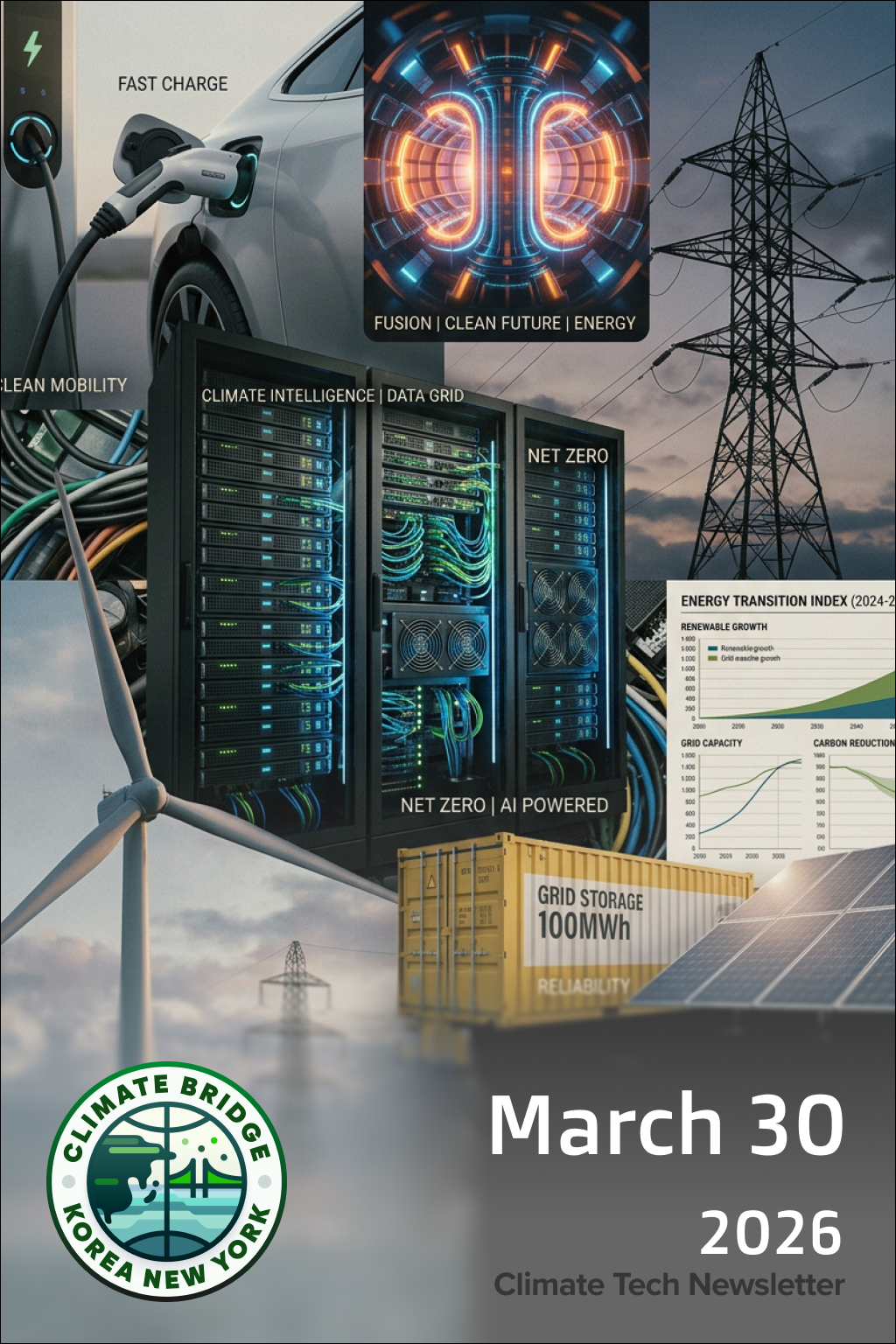
Climate Tech Newsletter: March 30, 2026
This week, climate tech turned concrete: OpenAI chased Helion power, Google added 1 GW of demand response, DOE started data-center surveys, and Iran-war oil shocks made storage, transmission, EVs, and electrification feel like security tools.
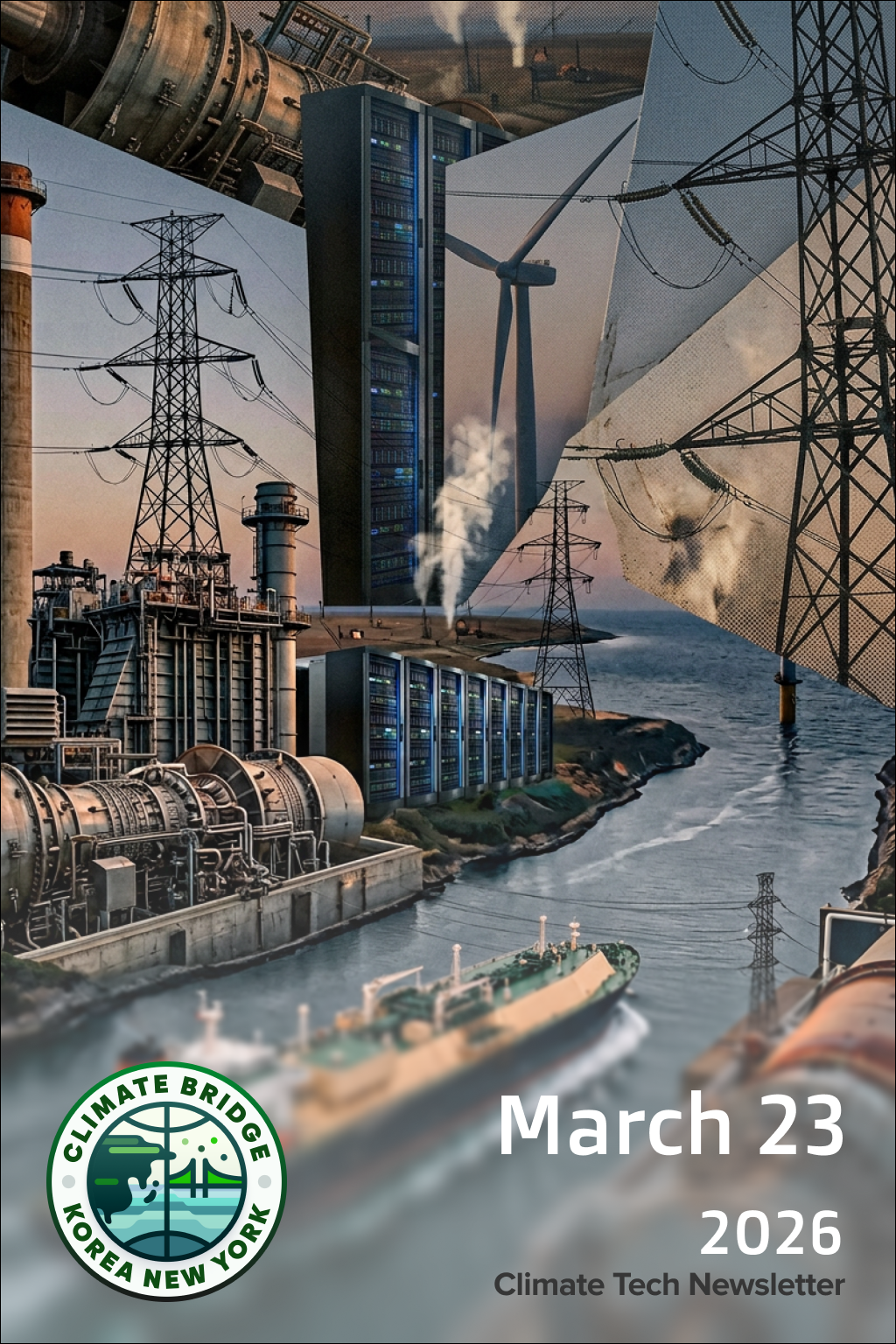
Climate Tech Newsletter: March 23, 2026
After Hormuz closed, climate tech turned geopolitical: Ohio’s $33B gas-AI buildout, Trump’s offshore-wind buyout, Alaska lease sales, the Permian methane probe, and the UK STEP fusion award exposed a sharply split transition, unlike last week.
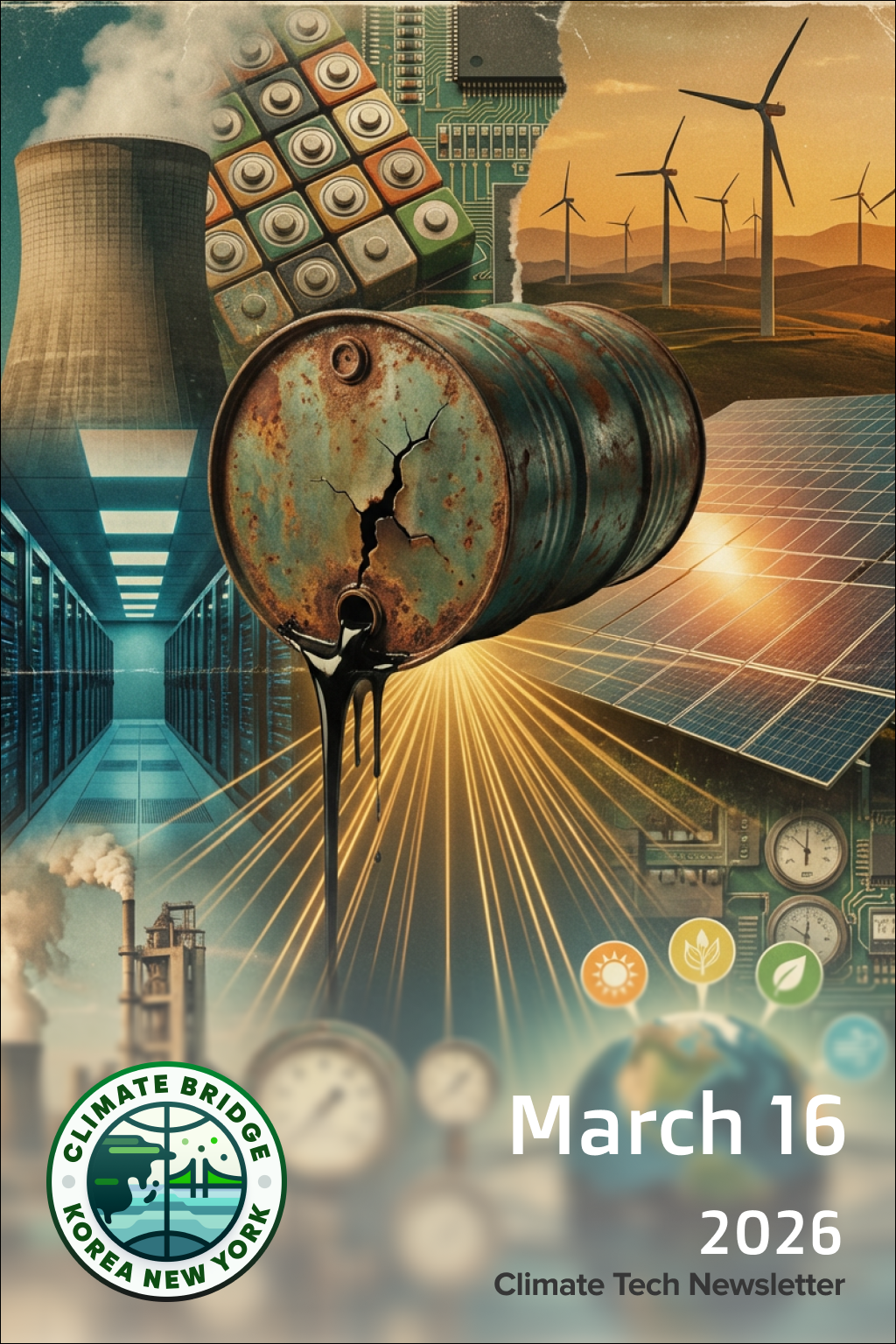
Climate Tech Newsletter: March 16, 2026
Iran war spikes oil past $120/barrel, forcing IEA's record 400M-barrel release. Trump claws back $87M from clean cement startup Sublime—60% of staff cut. US battery industry implodes; nuclear surges globally; EU bets big on green infrastructure.
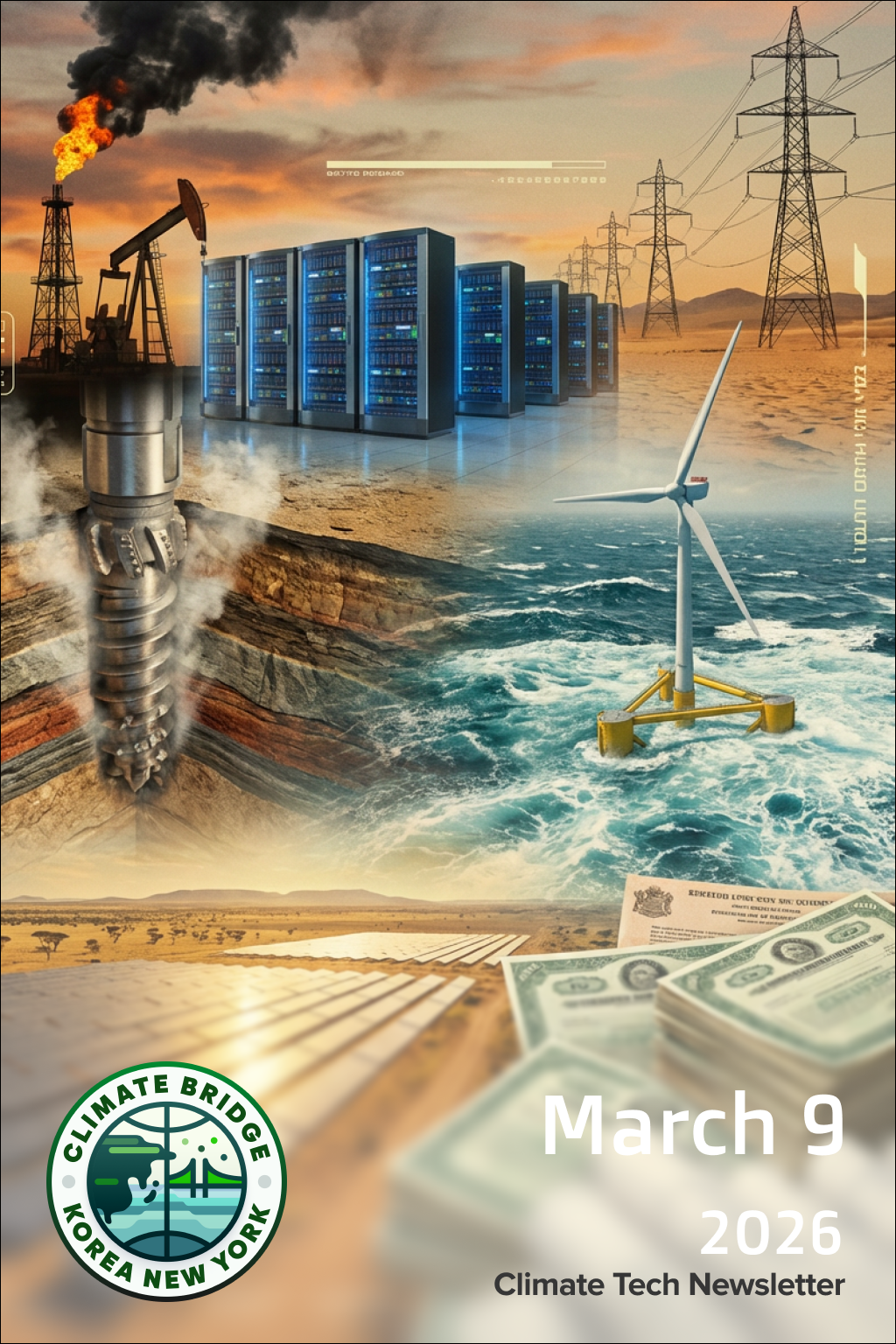
Climate Tech Newsletter: March 9, 2026
Iran war spikes oil past $90 & EU gas 50%. Big Tech's White House power pledge draws fire as 59 GW of US clean energy stalls. China targets a 17% carbon cut. BlackRock acquires AES $34B. Barclays warns stranded renewables threaten transition.
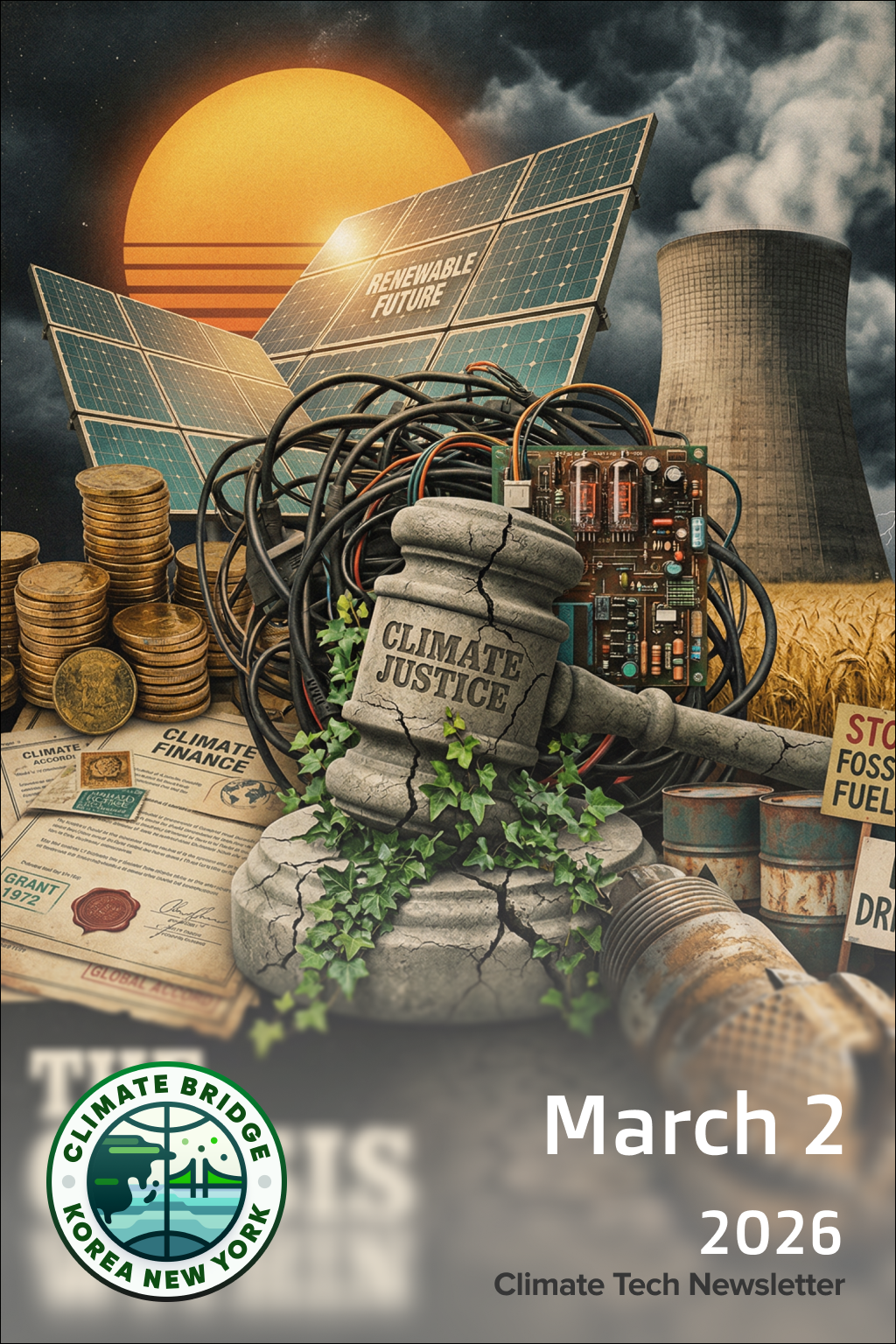
Climate Tech Newsletter: March 2, 2026
Trump's EPA rollback collides with surging clean-power markets. Big Tech races to secure its own energy as AI demand soars. The EU trims its green rulebook under industry pressure. Nuclear investment accelerates from policy to uranium supply. Climate finance adapts, and solar, geothermal, and soil carbon push forward.
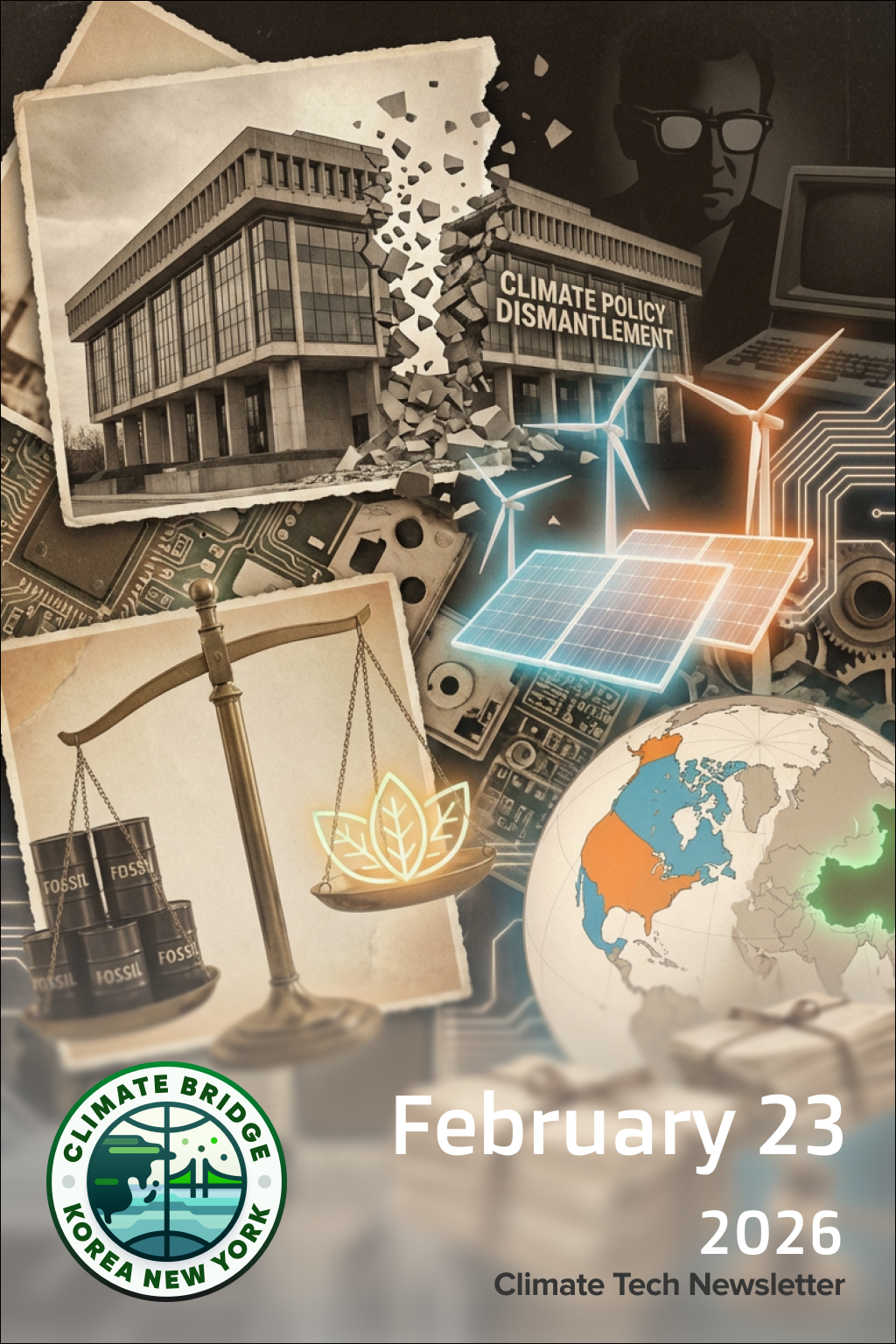
Climate Tech Newsletter: February 23, 2026
This week fragmented U.S. climate governance: EPA authority revoked, yet thirteen states sued for frozen funds while Microsoft pledged renewables. Gates halted investments; China hit 1,063GW solar. Policy battles now define outcomes, not technology.
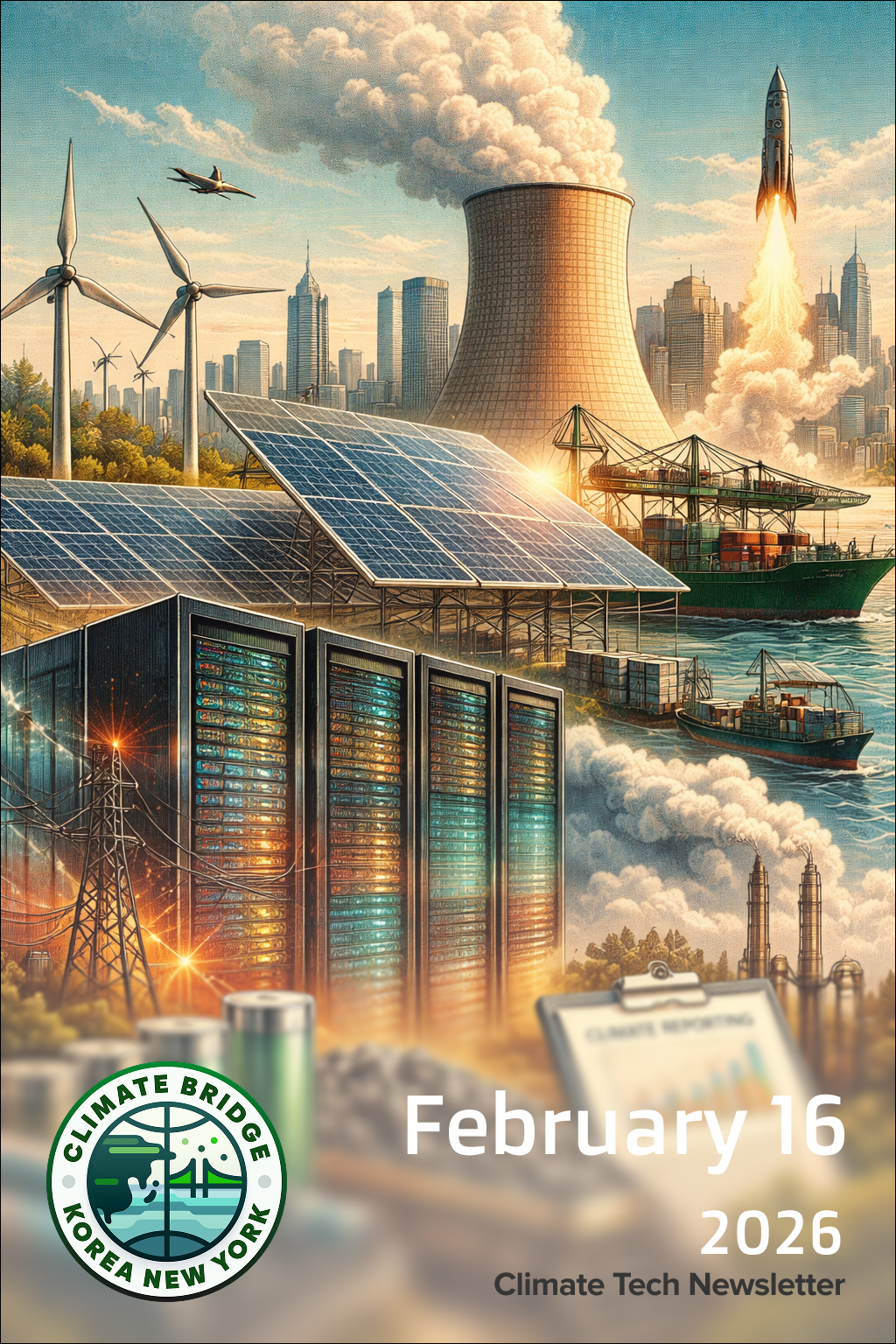
Climate Tech Newsletter: February 16, 2026
AI load reshapes power policy: GRID Act targets data centers; PJM extends auction price cap. Big tech buys supply (Google–TotalEnergies 1GW solar; Meta nuclear). xAI faces NAACP air-pollution action; shipping stays green despite IMO delay. 2026
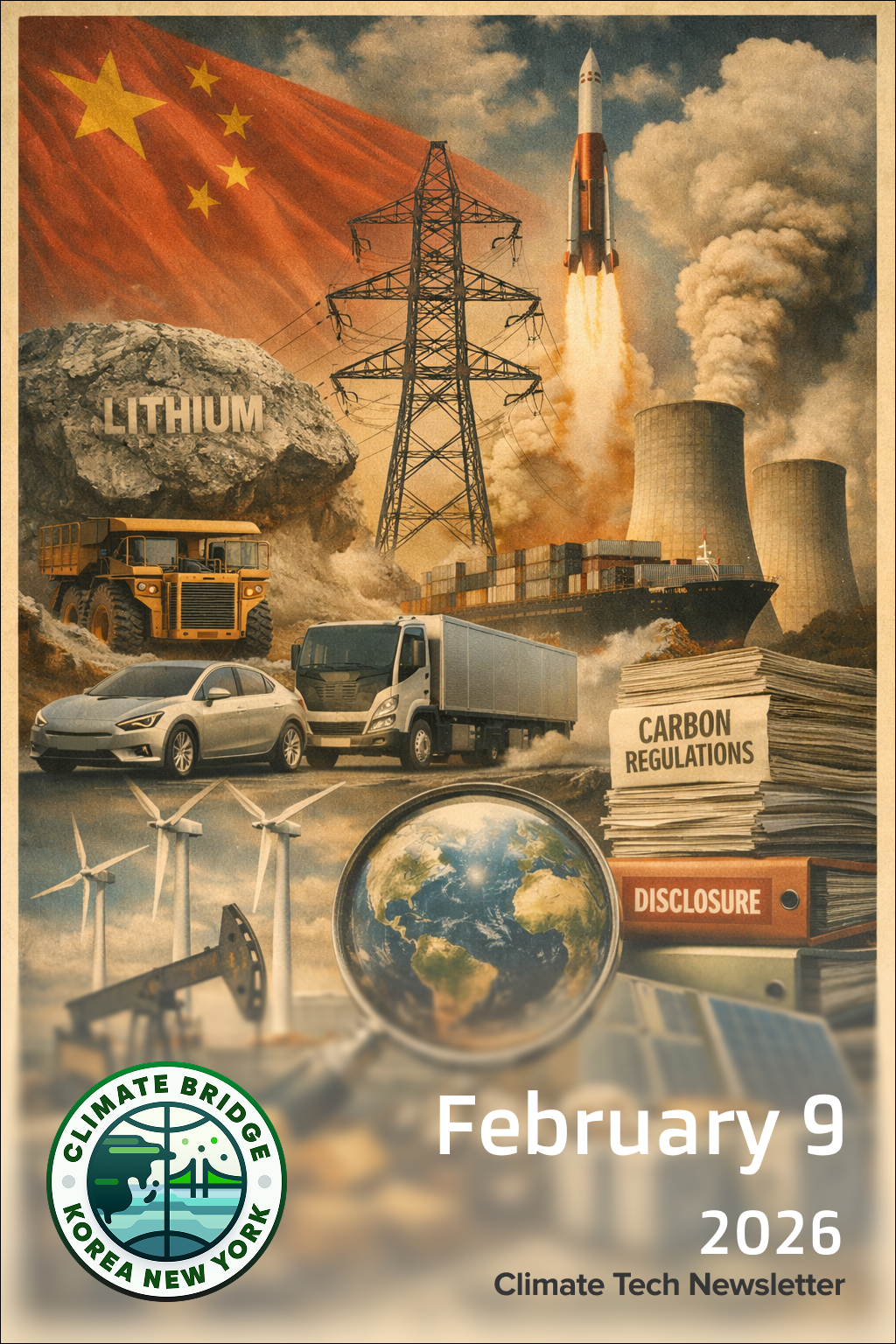
Climate Tech Newsletter: February 9, 2026
China added power at seven times the US pace in 2025 as clean energy drove over a third of GDP growth and EV exports widened reach. New carbon-removal standards, mineral-bloc proposals, and deployment bottlenecks show supply chains and governance now decide results.
We bring you the latest updates, insights, and innovations in the world of climate technology
